
Cracks in a home’s foundation can signify more than just an aesthetic issue; they may indicate serious structural problems. For homeowners and potential buyers, understanding the implications of foundation issues is crucial. This topic gains importance considering how foundational integrity directly impacts property value, safety, and longevity. Proper attention to foundation maintenance and inspection can prevent costly repairs and ensure long-term peace of mind.
Identifying Foundation Cracks
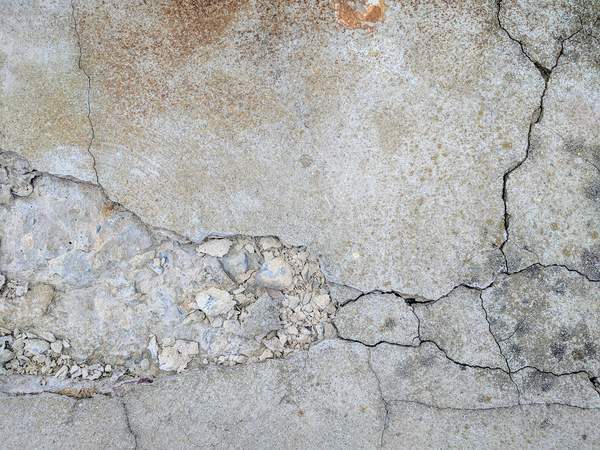
Foundation cracks are often categorized by their direction, size, and location. Professional inspectors typically classify them as vertical, horizontal, or diagonal. Vertical cracks are common and usually less concerning, often resulting from natural settling. Diagonal cracks, however, may signal differential settling, while horizontal cracks can indicate significant pressure against the foundation walls, potentially hinting at structural failure.
Homeowners should take note of crack width; cracks wider than 1/4 inch may require professional evaluation. Regular monitoring for changes in size or new cracks is advisable. Implementing such practices can help in early detection and prevention of further issues.
Causes of Foundation Cracks
Understanding what causes foundation cracks can help in addressing them effectively. Common factors include:
- Soil Movement: Expansive clay soils can swell with moisture and shrink during dry conditions, exerting pressure on the foundation.
- Poor Drainage: Water pooling near the foundation can lead to excessive moisture, weakening the soil and foundation.
- Tree Roots: Roots growing under or near the foundation can cause uneven pressure on the structure.
Professional inspectors often recommend ensuring proper drainage systems and maintaining consistent soil moisture levels to mitigate these risks.
Actionable Steps for Homeowners
- Conduct regular inspections of the home’s foundation, especially after severe weather conditions.
- Maintain a consistent watering schedule for the soil surrounding the foundation to prevent excessive swelling or shrinking.
- Ensure proper grading and drainage to direct water away from the foundation.
- Consult professional inspectors for an evaluation if significant cracks are detected.
In summary, foundation cracks can be a critical indicator of structural issues that may compromise a home’s safety and value. Regular inspections and proactive maintenance are essential. Engaging professional home inspection services can offer expert insights and solutions to ensure the foundational integrity of any property.

Recent Comments